
Pictures of Build-ups in the ESP
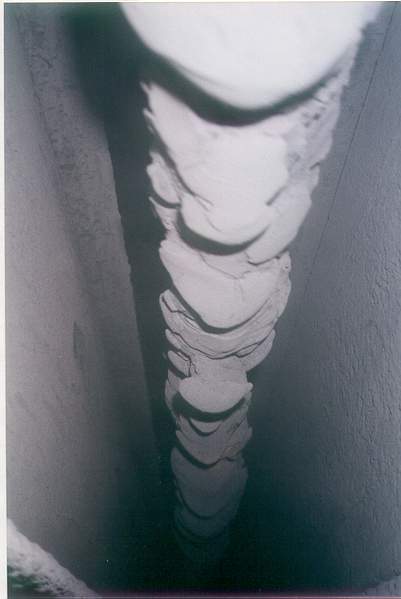
The causes of material buildup can be many, including, ineffective rapping, boiler tube leaks, over-conditioning of the gas, gas distribution, ash / fuel chemistry, process conditions and upsets, ineffective or absence of hopper heating, cold zones and flat spots in the ESP, among others. Buildup can inhibit ESP performance when it distorts gas flow, reduces electrical clearances causing premature spark-over and ground conditions, damages internal components and/or promotes reentrainment of collected material.
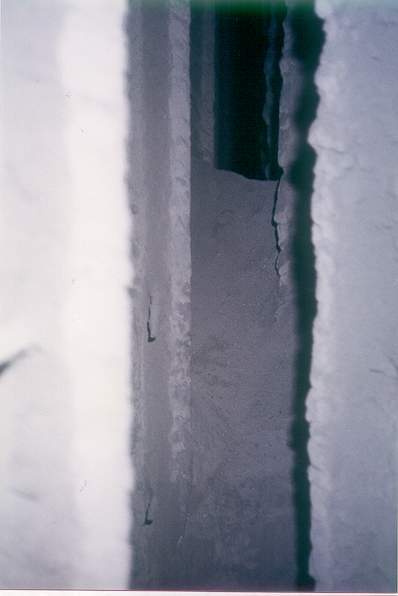
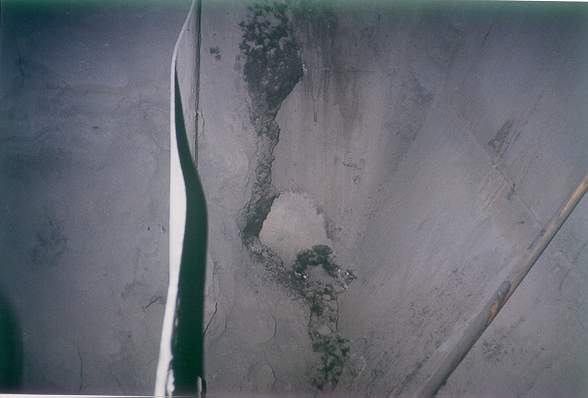
Hopper buildup due to hopper heater failure, ash removal problems and carbon carryover from low NOx burners. The buildup was 6-8 feet up into the collecting surface plates and discharge electrodes (RDE), grounding the field. This can cause permanent damage to the electrodes and collecting surfaces. It also creates a hazardous condition for opening of the hopper access door. Clinker formation in the hopper inhibited ash removal. It has also caused warpage of the hopper baffle.
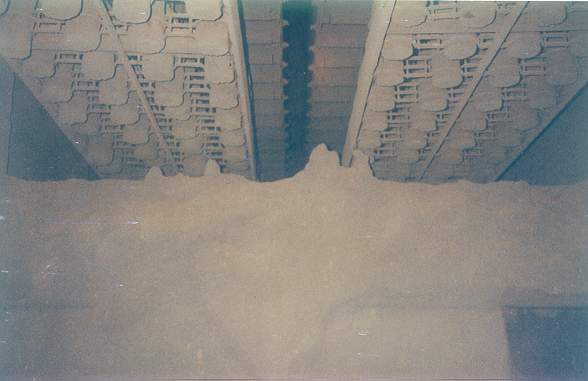
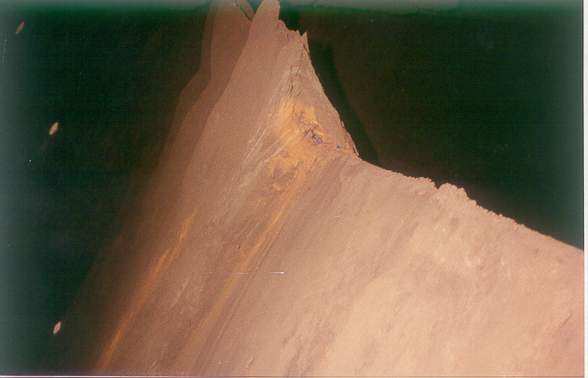
Material buildup on the hopper crotch is approaching the lower discharge electrode frames. This can cause a reduction in power levels due to excessive sparking, or lead to a ground condition. The burn mark in the discolored area of ash buildup BELOW is a charge line from a short condition.
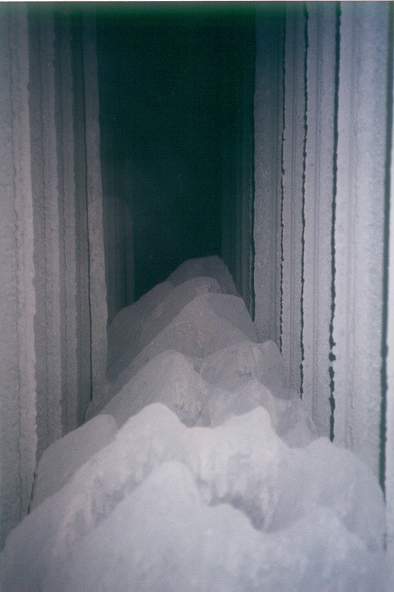
LEFT: The excessive buildup on the electrodes are due to boiler tube leaks and gas conditioning. Power levels have suffered as a result. Normal rapping was not able to dislodge the material. The RDEs had to be manually rapped by hand during an outage.
RIGHT: Heavy ash buildup on an internal walkway between ESP fields. If not removed, this could grow into the adjacent fields, or reentrain back into the gas stream.
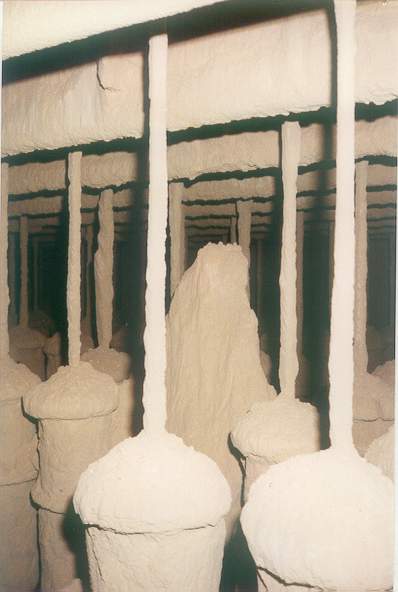
LEFT: Buildup off the discharge electrode weight guide frame could promote sparking and ground the field.
RIGHT: Ash buildup behind the collecting surface support channels. If allowed to harden, this could dampen rapping effectiveness.
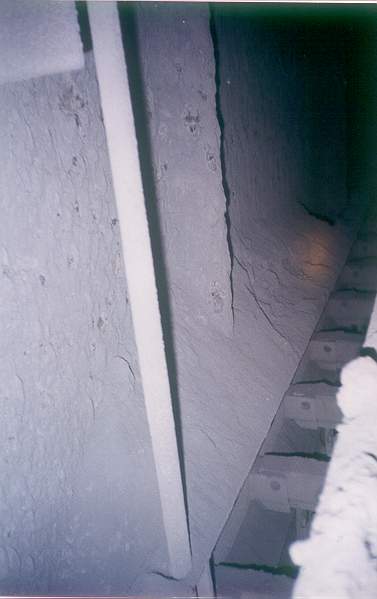
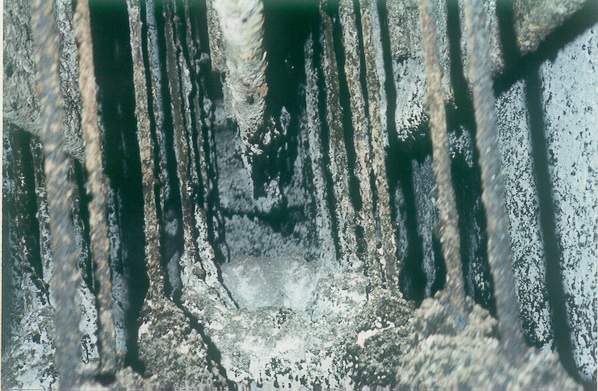
An inlet field of a recovery boiler ESP coated with black liquor due to splashing. This was due to fluctuations in liquor levels, and agitator design and rotation. It had grounded the field and was not allowing thermal expansion of the wire electrodes, which causes them to lose tension and fatigue with movement.
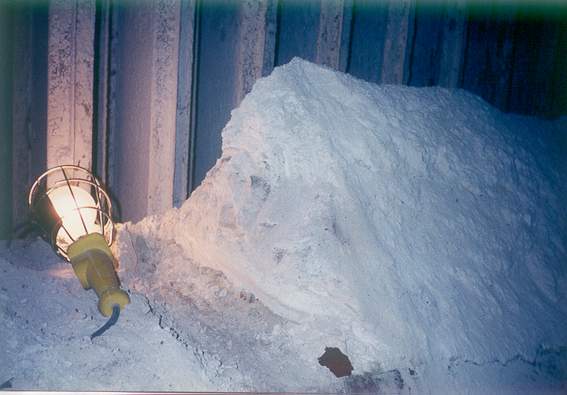
This buildup on an 18″ horizontal ledge at the precipitator outlet plenum has nowhere to go but to drop into the ID fan and out the stack. A baffle was installed at this site to limit buildup and direct the material into the outlet hopper.