
TRK Engineering Services LLC
TRK Engineering provides unbiased engineering and consulting services for air pollution control equipment
Our highly specialized team has a combined total of over 300 years experience in the field and has served nearly all industrial processes and applications. We offer a full scope of professional services including on-site equipment inspections, technical support & troubleshooting, equipment tuning, outage management, large project & rebuild management, process analysis, model studies, as well as procedure development and equipment training. We are THE experts in the particulate control industry.
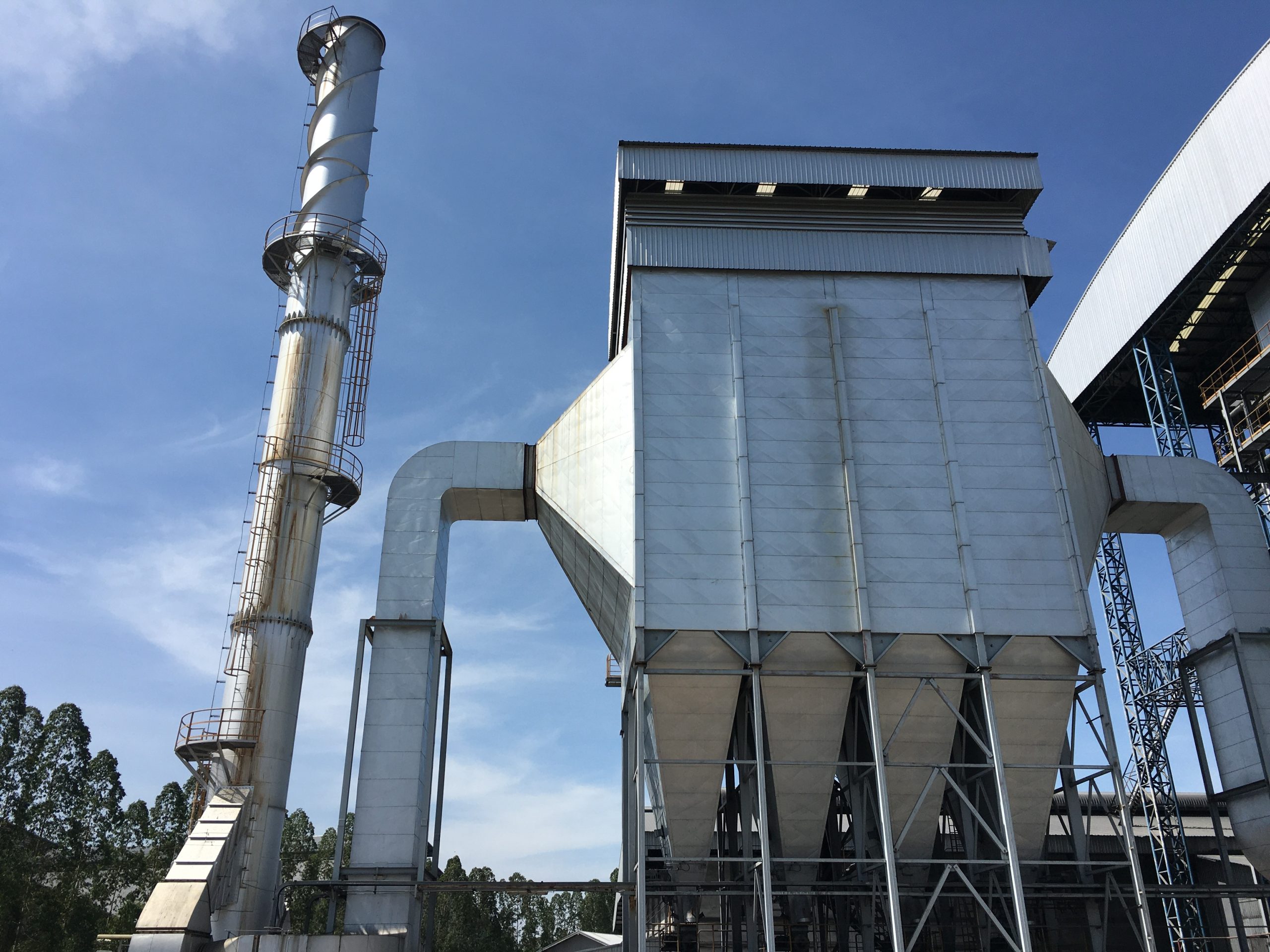

Our services
at TRK we focus to meet your needs effectively and professionally. We offer a range of services to simplify and enhance your experience. Trust us to provide you with reliable and honest solutions.

Expert Testimony
Inspection and Outage Maintenance Support
• Technical support and troubleshooting of all precipitator and control equipment.
• Evaluation of precipitator operation and process parameters to optimize system performance.
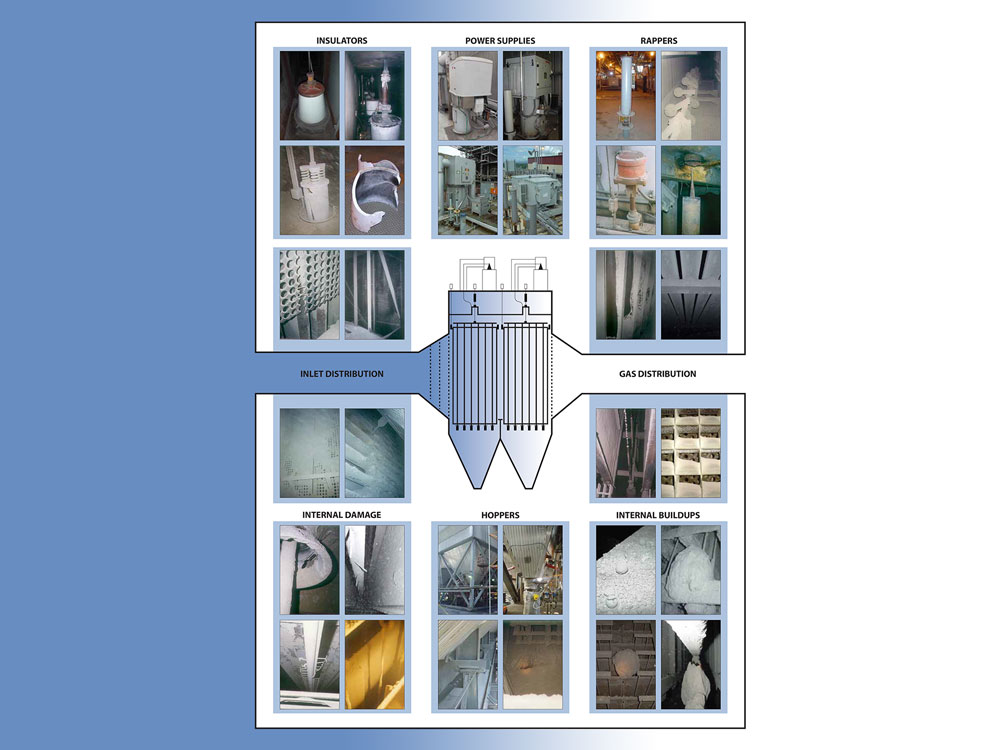
• Complete on-line and off-line inspection and analysis of equipment, and supervision of all recommended repair/retrofit work. (Photographs and video of inspection findings are included when useful to enhance the report.)
• Field analysis of precipitator gas distribution.

Performance Analysis and Improvement
• Evaluation of flow tests and model studies.
• Supervision of stack emissions testing and analysis of test results.
• Assistance with modification, analysis and testing of gas conditioning systems (SO3, NH3, humidity, etc.)
• Analysis of the effect of process changes on precipitator performance from fuel and raw material switching, low NOx burner installation, to any other modification.

Procurement Assistance
• Review of vendor drawings for specification compliance, engineering and presence of desirable design features.
• Assistance with the installation and evaluation of new equipment.
• Help clients locate new and used parts to reduce cost and source equipment when suppliers are no longer in business or have discontinued support.
Model Studies
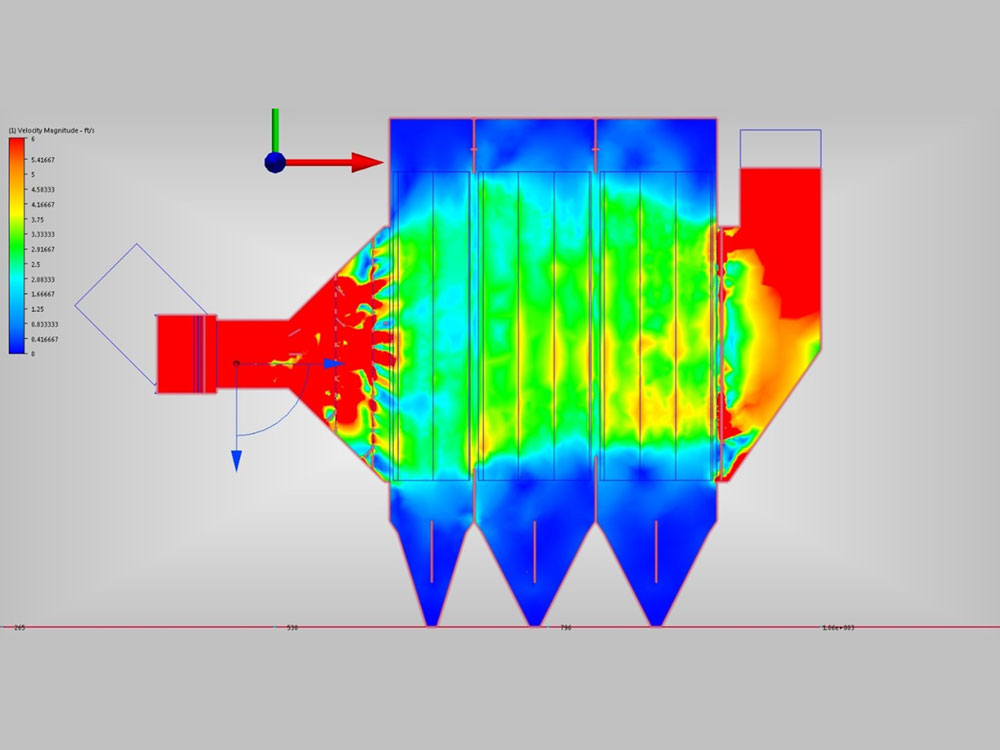
TRK Engineering offers modeling services that include creating a digital model of the air pollution control system in order to evaluate gas flow and modification options before implementing them into the system.
Remote Monitoring
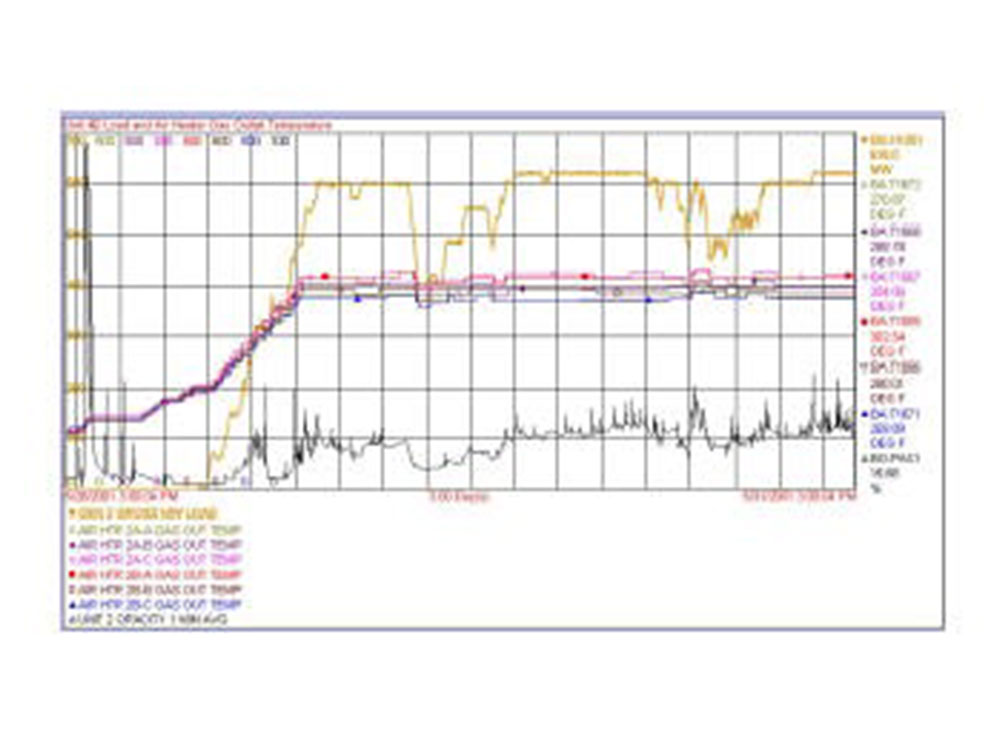
TRK Engineering has been offering remote monitoring to our clients for over 15 years. This service includes setting up remote communication for equipment that facilitates online process evaluation as well as troubleshooting. Remote monitoring has helped to prevent unnecessary outages and offered peace of mind to our clients.
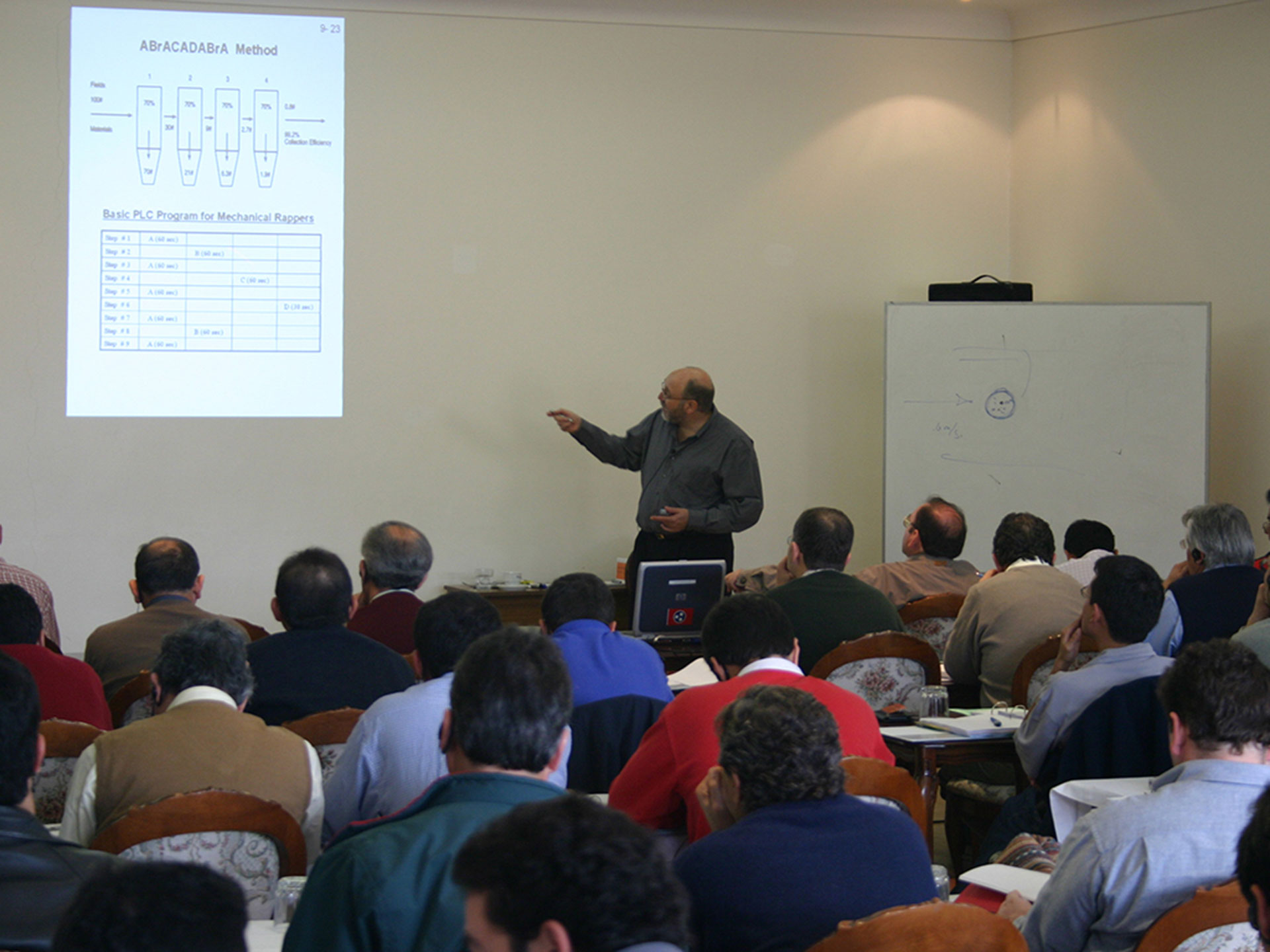
Training
TRK Engineering Services also offers training through “Precipitator Seminars”. We offer both In-house and Public seminars to provide training on the operation and maintenance of electrostatic precipitators. The primary goal of these seminars is to provide attendees with the fundamentals necessary to understand and evaluate precipitator operation for optimum performance.
Upcoming Events
Electrostatic Precipitator Seminar Orlando, FL – USA
Dates: June 16-18, 2026
Location: Orlando, FL
We are pleased to inform you that this year we will have the 32nd version of our Electrostatic Precipitator Seminar. The seminar will be given by Mr. Thomas Keeler.
2026 REINHOLD/PCUG CONFERENCE
Dates: June 22-25, 2026
Location: Nashville, TN
Conference dedicated to air and water pollution equipment O&M for to coal and gas co-firing.
Large Boiler Performance & Optimization Seminar
Dates: July 21 – 23, 2026
Location: Hilton Head Island, SC
Is a one-of-a-kind course that has been presented to thousands of people worldwide over the past 30 years. This course is approved by the North Carolina and Florida boards of registration for engineers continuing professional development hours.
Resources
Library of books, papers & manuals
Applied Electrostatic Precipitation K. R. Parker Chapman & Hall, London, England, 1997. Electrostatic Precipitator Handbook D. A. Lloyd Adam Hilger, Bristol and Philadelphia, Bristol, England, 1988. EPA Manual- Operation and Maintenance Manual for Electrostatic...
Art of Electrostatic Precipitation
The Art of Electrostatic Precipitation by Jacob Katz was first written in 1979. It contains a wealth of information Mr. Katz has acquired over his vast experiences in precipitator evaluations. The material and practical field concepts contained in this book are...
EPRI’s ESP Maintenance Guide
The "Electrostatic Precipitator Maintenance Guide" is a 675 page manual directed towards electrical and mechanical maintenance personnel who maintain the electrostatic precipitator (ESP) and troubleshoot problems that occur during operation. The intent of this guide...
Contact us
and we will get in touch with you shortly.
TRK Engineering office location:
- Westford, Massachusetts
- Sarasota, Florida
- Santiago, Chile
In USA Call:
Thomas Keeler
Call Office: 978-287-0550
Cell: 978-793-0502
Email: trkeng@apcnetwork.com
In South America Call:
GianFranco Schiattino
Cell: +56 9 9776 7847
Email: gsc@tesichile.cl
TRK Personnel Include:
Thomas Keeler
President
Experience – 40+ years
Justin Isaacs
Vice President
Experience – 15 years
Timothy Mallory
Senior Engineer
Experience – 30+ years
Roberto Anticevic
Field Engineer
Experience – 20 years
Richard Arancio
Senior Engineer
Experience – 30+ years
Francis Chapman
Field Engineer
Experience – 40+ years
Gianfranco Schiattino
Field Engineer
Experience – 15 years
Orlando Gonzalez
Field Engineer
Experience – 15 years