
Pictures of Rappers in the ESP
Rappers are utilized to dislodge material from the collecting surfaces, discharge electrodes and gas distribution plates. Improper rapping can lead to spark-over and a reduction in power levels, high resistance grounds and dead short conditions, reentrainment of collected material, damage to ESP internal components and distortion of gas flow.
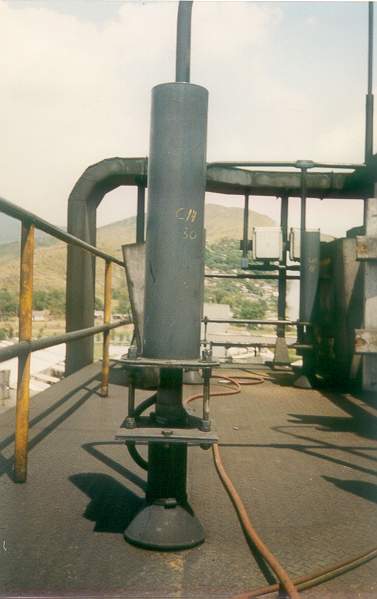
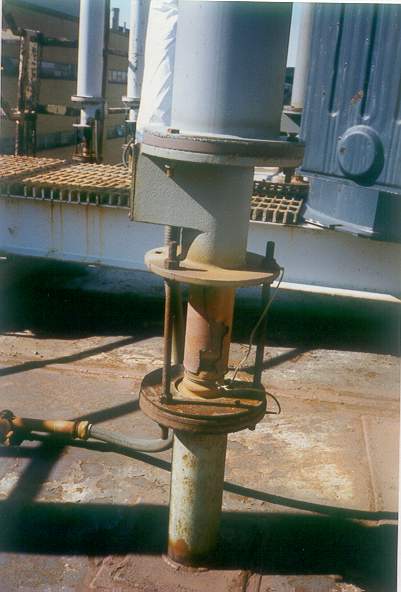
LEFT: Magnetic Impulse Gravity Impact Rapper
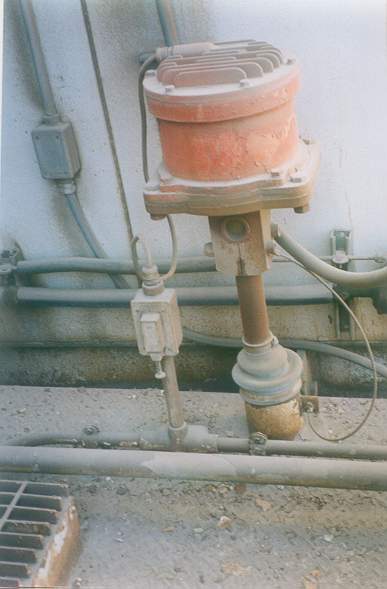
RIGHT: Electromagnetic Reciprocating Rapper (vibrator)
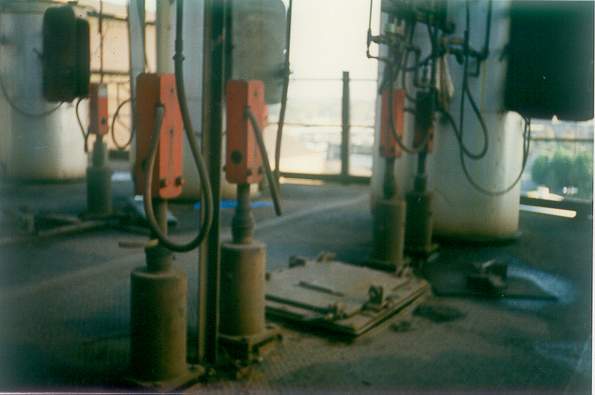
LEFT: Pnuematic Rapper (vibrator)
RIGHT: Mechanical Tumbling Hammer Rapping (American design, in penthouse area)
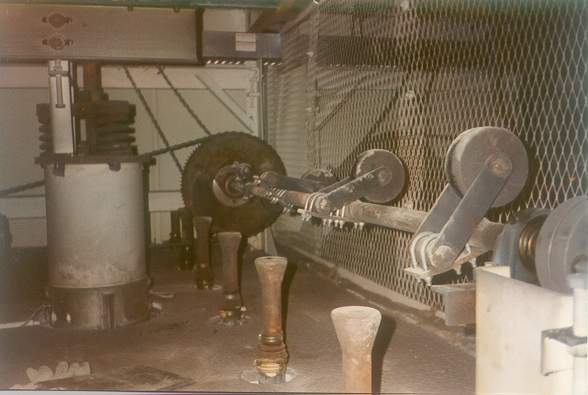
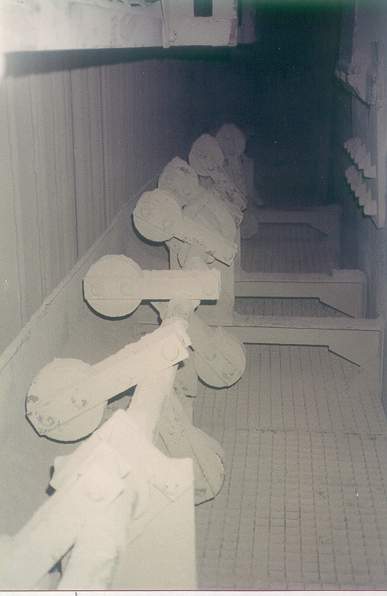
LEFT: Mechanical Tumbling Hammper Rapping (European design, in ESP gas stream)
RIGHT: The armature on this tumbling hammer is bent. This causes the rapper to strike the anvil at an angle and will cause metal fatigue and eventual failure of the rapper hammer.
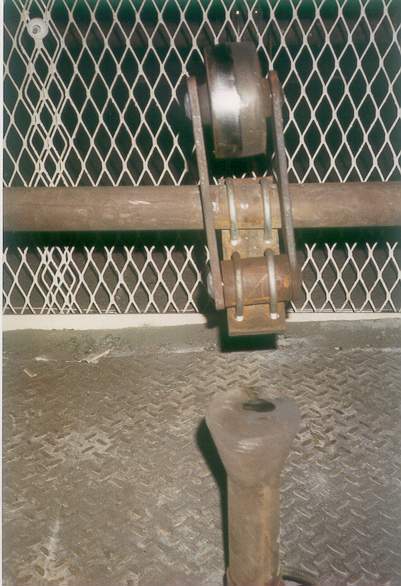
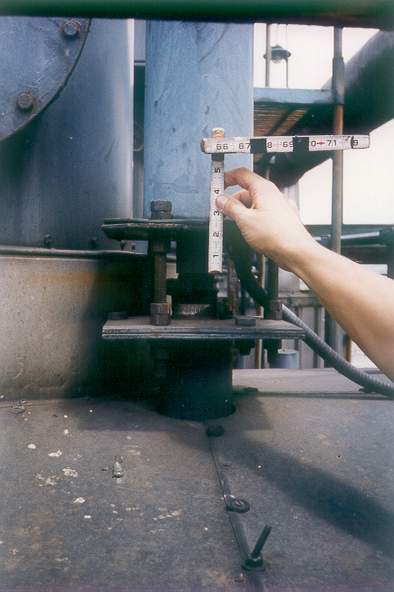
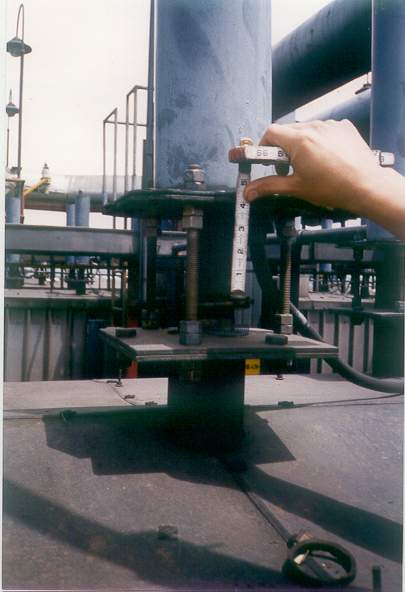
Magnetic impulse gravity impact rapper piston / slug exposure between the rapper housing and the rapper rod should be adjusted to the manufacturer specification and should be consistent for all rappers. Proper adjustment positions the rapper piston in the rapper coil equally for all rappers and will help assure consistency of lift height. Variations can affect rapper lift significantly. The two rappers shown at LEFT and CENTER would have significantly different lifts when energized at the same control setting. Rappers also need to be properly mounted and plumb. Improper mounting can cause excessive wear of the coil, coil sleeve and piston. The sleeve has separated from the coil and dropped out of the rapper housing RIGHT because the mounting was not plumb. Piston magnetization is another potential problem to be aware of when inspecting a rapper system utilizing this style of rapper.
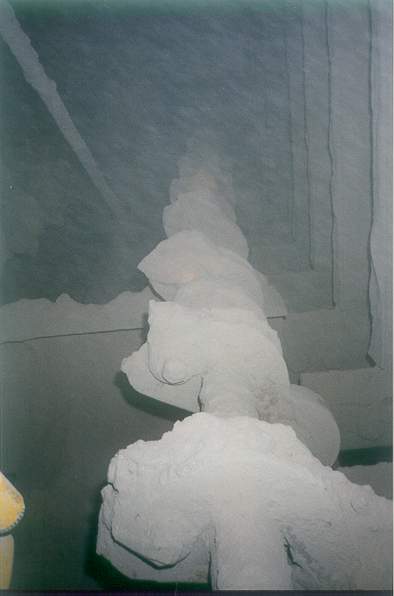
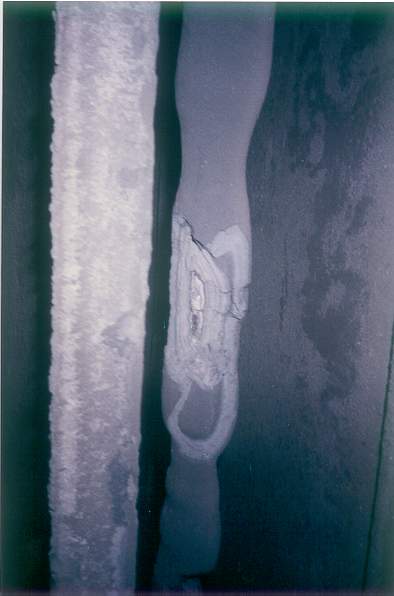
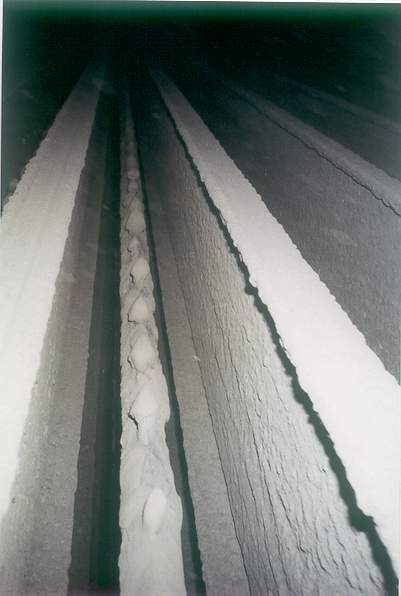
Rapping system failure, or insufficient rapping can lead to excessive material buildups on the collecting surfaces and discharge electrodes which can inhibit corona generation and limit performance of the ESP. Buildup on the tumbling rapper hammers in the photo TOP LEFT indicates the rapper shaft has not been operating. The buildups on the electrodes and/or collecting plates in the photos are the result of insufficient, or no, rapping. The TOP RIGHT photo shows buildup on a wire discharge electrode that has increased the diameter of the electrode to approx. 2 inches. BOTTOM LEFT photo shows the rigid discharge electrode (RDE) is coated with material. The clean RDE at BOTTOM RIGHT was in a nearby gas passage where the high voltage rappers where operational. Please note that material buildup on the electrodes and collecting plates can have causes other than rapping related.
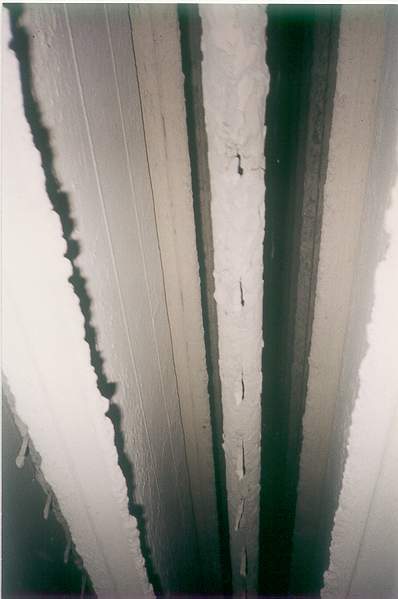
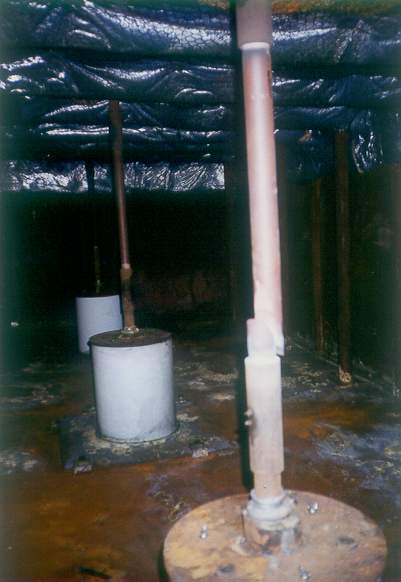
LEFT: This insulated rapper rod has failed due to too high intensity rapping or binding of the rod in the roof penetration.
RIGHT: Misalignment of the high voltage rapper rod and upper flange of the insulator housing have caused binding of the rapper rod. This will diminish the transfer of rapping energy.
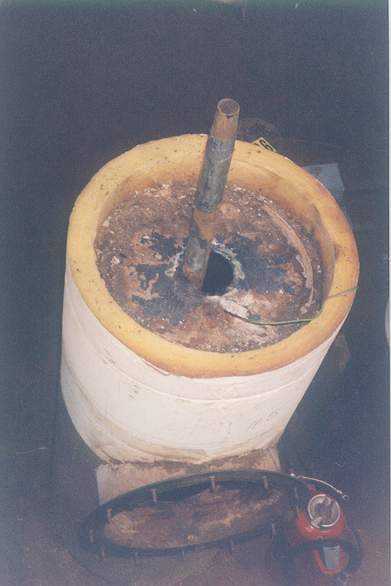
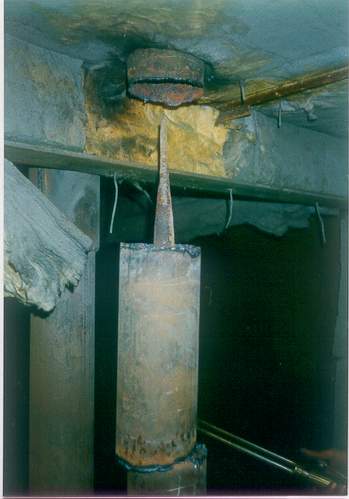
Corrosion has reduced the diameter of this rapper rod to the point of failure. This can result from inleakage at the boot seal, insufficient purge blower / heater operation, and or temperature transition through acid dewpoint.